

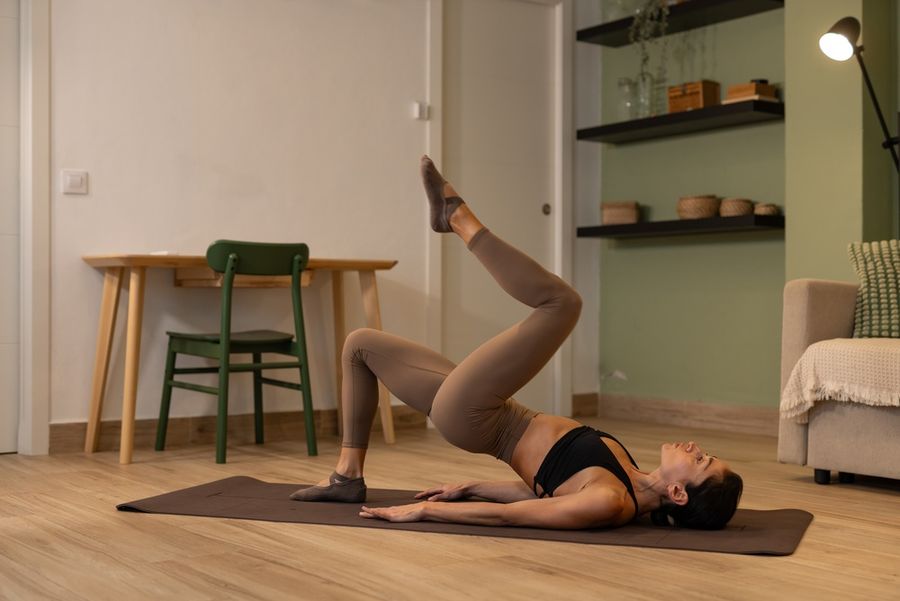
Starting your morning with gentle, intentional movement can bring a wonderful sense of balance to the rest of your day. Pilates offers an approachable way to build strength, improve flexibility, and reconnect with your body without leaving the comfort of home. Whether you're drawn to the elegant simplicity of mat Pilates or looking for a sustainable alternative to intense early-morning workouts, establishing a personalized routine can help you feel stronger, more centered, and ready to embrace whatever the day brings.
Understand the Benefits of Starting Your Day With Pilates
Originally developed by Joseph Pilates, Pilates is a form of low-impact exercise that emphasizes controlled movements, mindful breathing, muscular strength, and body awareness. Unlike workouts that prioritize speed or high-intensity activity, Pilates encourages precision and proper technique. Many exercises target the muscles surrounding your abdomen, lower back, hips, and pelvis, although a well-rounded practice also engages other areas of the body. Regular Pilates practice can help improve strength, flexibility, balance, and posture, making it an appealing addition to a balanced wellness routine.
Practicing Pilates in the morning offers an opportunity to gently transition from rest into movement before the demands of everyday life take over. You might find that moving through a series of controlled exercises helps alleviate feelings of morning stiffness while allowing you to approach your day with greater focus. Morning workouts can also be easier to prioritize if your afternoons and evenings frequently fill up with unexpected commitments.
Create a Beautiful and Functional Pilates Space at Home
Having a designated space for your morning Pilates routine can make the experience feel more inviting and encourage consistency. Choose a quiet area of your home with enough room to lie down, extend your arms and legs, and move comfortably in different directions. A corner of your bedroom, a spacious living room, or an underused home office can provide an ideal setting. If possible, position your exercise mat near a window where you can enjoy natural morning light. Keep the surrounding area uncluttered to minimize distractions and create an atmosphere that encourages mindful movement.
Start with a supportive, non-slip exercise mat that provides sufficient cushioning for floor-based exercises. Pilates mats are generally thicker than traditional yoga mats, offering additional comfort during movements that involve your spine, knees, or hips. As your practice progresses, consider introducing a small Pilates ball, resistance bands, a Pilates ring, or light hand weights. An attractive storage basket can keep everything neatly organized, while a nearby mirror may help you observe your alignment during certain exercises.
Master Foundational Pilates Movements and Breathing Techniques
Before attempting advanced exercises, spend time becoming familiar with the fundamental principles of Pilates. Controlled breathing, proper alignment, concentration, and deliberate movement are central to the practice. Many Pilates exercises incorporate lateral breathing, which involves allowing your rib cage to expand sideways and toward your back as you inhale. Exhaling during the more challenging portion of certain movements can help you coordinate your breathing with muscular engagement. Avoid holding your breath or forcing movements beyond a comfortable range, particularly when you're still developing your technique.
Begin with foundational exercises such as pelvic tilts, glute bridges, heel slides, and side-lying leg lifts. Once you're comfortable with those movements, gradually introduce exercises such as toe taps, modified bird dogs, and the beginner-friendly variations of the Hundred. Following a guided Pilates workout for beginners can help you become more familiar with proper positioning and movement sequences. If possible, attend an introductory class with a qualified instructor before developing your independent home practice, especially if you've never tried Pilates before.
Build a Morning Pilates Sequence That Fits Your Schedule
You don't need to dedicate an entire hour to Pilates every morning to establish a worthwhile routine. Starting with 10 to 20 minutes of intentional movement can make the habit feel considerably more manageable. Structure your sessions around a gentle warm-up, a selection of strengthening exercises, and a short cooldown. Aim to move slowly enough to maintain control throughout each exercise, taking breaks whenever necessary. As your strength, coordination, and confidence improve, you can gradually increase the duration or difficulty of your workouts.
Consider using the following 20-minute beginner-friendly morning Pilates sequence as a starting point:
|
Exercise |
Duration |
Primary Focus |
|---|---|---|
|
Gentle breathing and rib cage expansion |
2 minutes |
Relaxation and breathing awareness |
|
Pelvic tilts |
2 minutes |
Core engagement and pelvic mobility |
|
Glute bridges |
3 minutes |
Glutes, hips, and core stability |
|
Alternating heel slides |
2 minutes |
Abdominal control and coordination |
|
Side-lying leg lifts |
4 minutes |
Hip strength and stability |
|
Modified bird dogs |
3 minutes |
Balance, core strength, and coordination |
|
Gentle spinal mobility and stretching |
4 minutes |
Flexibility and relaxation |
The suggested timings include opportunities to rest and transition between exercises, so don't feel pressured to perform continuous repetitions. Begin with a comfortable number of repetitions and prioritize technique over completing the entire sequence. Stop if you experience pain, dizziness, or unusual discomfort. If you're pregnant, recovering from an injury, or managing a health condition, be sure to consult a healthcare professional or appropriately qualified Pilates instructor before beginning a new exercise routine.
Find Online Pilates Classes That Keep Your Workouts Engaging
Following guided workouts can help bring variety and structure to your morning Pilates routine, particularly while you're learning new movements. Fortunately, there are plenty of online resources offering classes that accommodate different experience levels, schedules, and fitness goals. Look for instructors who provide clear explanations of proper form, breathing techniques, and modifications rather than simply demonstrating a series of exercises. Classes specifically designed for beginners can help you develop greater confidence before progressing to longer or more challenging sessions.
For free instructional content, the NHS Pilates video collection offers guided workouts covering several experience levels and accessibility needs. You might also consider subscribing to a dedicated Pilates platform if you prefer structured workout programs and progressive training schedules. Create a small collection of favorite classes that includes gentle mobility sessions, full-body workouts, and core-focused routines. Selecting your workout the evening before can eliminate unnecessary decision-making in the morning and make getting started feel effortless.
Make Morning Pilates Part of a Sustainable Wellness Ritual
One of the most enjoyable aspects of establishing a morning Pilates practice is the opportunity to incorporate it into a wider wellness ritual. Prepare your exercise space the evening before, lay out comfortable workout clothing, and keep a reusable water bottle nearby. You might begin each session by opening your curtains, playing a calming instrumental playlist, and taking a few moments to focus on your breathing. Afterward, enjoy a refreshing shower, prepare a nourishing breakfast, or spend a few minutes outdoors. Combining Pilates with other enjoyable morning habits can make the experience something you genuinely anticipate.
Start by scheduling two or three sessions each week, allowing time for recovery as needed. Gradually increase your frequency according to your comfort and fitness level. Remember that Pilates can complement other forms of exercise, including walking, cycling, and resistance training. The physical activity recommendations for adults include at least 150 minutes of moderate-intensity aerobic activity and two days of muscle-strengthening activity each week. Depending on its intensity and exercise selection, Pilates can contribute to the strengthening component of a well-rounded fitness routine.
Start Each Day With Strength, Balance, and Intention
Building a morning Pilates routine can offer a rewarding opportunity to prioritize your physical wellbeing before turning your attention to everyday responsibilities. Begin with a comfortable workout space, a handful of foundational exercises, and a realistic commitment that accommodates your schedule. As you develop greater confidence, experiment with different class styles, introduce new equipment, and gradually challenge yourself with more advanced movements. Pay attention to improvements in your strength, balance, coordination, and overall comfort rather than focusing exclusively on physical appearance.
Some mornings may allow for an extended Pilates session followed by a leisurely breakfast, while others might only accommodate a few minutes of gentle movement. Give yourself the flexibility to adjust your practice without abandoning it altogether. By cultivating an enjoyable and sustainable relationship with exercise, you can create a morning ritual that supports your long-term well-being. Over time, stepping onto your Pilates mat could become one of your favorite ways to welcome a new day with a renewed sense of energy, confidence, and calm.