

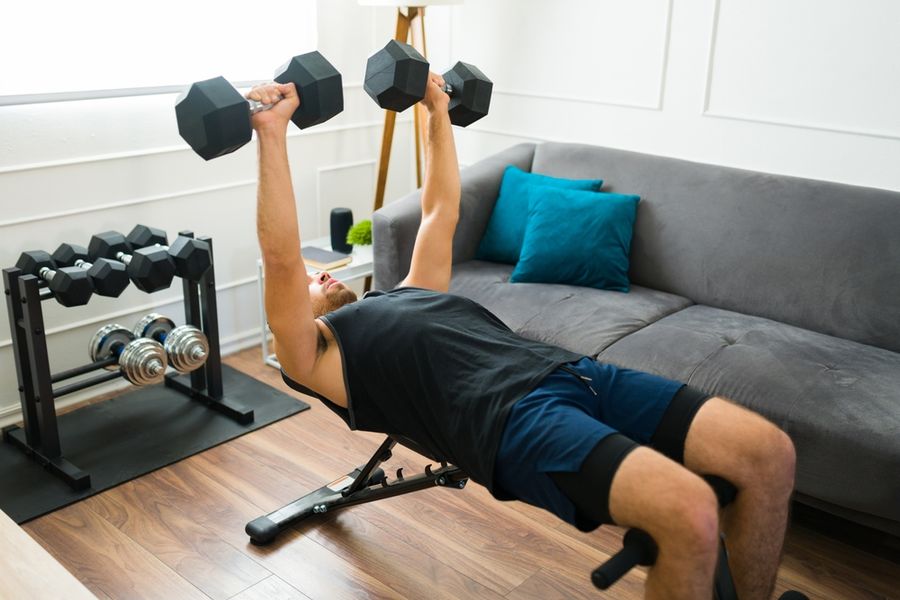
Creating a dedicated fitness space at home can make exercise more convenient, enjoyable, and easier to incorporate into your daily routine. Whether you have an entire basement available or a spare bedroom that could serve multiple purposes, the right combination of equipment and design features can transform the space into a personalized fitness retreat. From versatile strength training equipment to protective flooring and digital workout tools, building the perfect home gym starts with understanding your individual fitness goals.
Choose a Space That Accommodates Your Fitness Routine
Before purchasing exercise equipment, determine which area of your home can comfortably accommodate your preferred workouts. Basements and garages are particularly appealing for larger gym setups, while spare bedrooms can provide sufficient space for compact cardio machines, free weights, and floor exercises. Consider ceiling height, ventilation, electrical outlet placement, and the condition of the existing flooring.
Plan your layout around the operating space required by exercise equipment rather than its physical dimensions alone. A rowing machine requires room for its moving seat, while a weightlifting station needs sufficient clearance for loading plates onto a barbell. Leave an unobstructed area for stretching, bodyweight exercises, and movement between different workout stations.
Invest in Versatile Strength Training Equipment
Adjustable dumbbells are an excellent starting point for a home gym because they allow you to change resistance without purchasing numerous individual weights. Pair them with an adjustable weight bench that supports flat, inclined, and upright positions. Together, these items can accommodate exercises targeting the chest, shoulders, back, arms, and lower body.
Resistance bands and kettlebells can introduce additional variety without occupying substantial floor space. Incorporating different forms of resistance training also provides flexibility as your fitness goals evolve. More experienced weightlifters might consider installing a power rack with adjustable safety bars, an Olympic barbell, and weight plates. A multifunctional cable machine is another attractive option for homeowners who want equipment that supports numerous exercises within a single station.
Select Cardio Equipment That Matches Your Exercise Preferences
Cardiovascular exercise should form part of a balanced home fitness routine. American adults are generally encouraged to complete at least 150 minutes of moderate aerobic exercise each week, alongside regular muscle-strengthening activities. Choosing equipment that you genuinely enjoy using can make these recommendations easier to incorporate into your lifestyle.
Treadmills are particularly versatile for walking, jogging, and incline training, while stationary bicycles provide a lower-impact alternative. Elliptical trainers allow you to engage both your upper and lower body when equipped with moving handles. Rowing machines offer another option for combining cardiovascular exercise with muscular endurance. If space is limited, consider a compact exercise bike or folding treadmill that can be stored according to the manufacturer's instructions.
Install Protective and Comfortable Gym Flooring
Residential flooring isn't necessarily designed to withstand heavy exercise equipment, repeated impacts, or concentrated weight loads. Interlocking rubber tiles and rubber flooring rolls are popular solutions because they provide a durable surface for weight training and general exercise. Dedicated equipment mats can also help protect flooring beneath cardio machines.
Choose flooring thickness according to your intended activities. Heavy barbell training may require a specialized lifting platform, while yoga and Pilates generally require only a suitable exercise mat over a stable surface. Avoid excessively soft flooring beneath heavy lifting equipment, as it may compromise stability. If you are installing substantial equipment on an upper floor, consult a structural professional to determine whether the existing floor system can safely accommodate the additional loads.
Create a Dedicated Mobility and Recovery Area
A comprehensive home gym should accommodate more than cardiovascular exercise and strength training. Incorporating flexibility and balance exercises into your fitness routine can help improve everyday movement and physical stability. Reserve a dedicated area with sufficient floor space to perform seated, standing, and lying-down exercises without interference from larger fitness equipment.
Consider investing in mobility and recovery equipment such as exercise mats, resistance bands, stability balls, and foam rollers. Resistance bands can assist with stretching exercises, while stability balls introduce opportunities for balance training and foam rollers may help alleviate muscle soreness after workouts. Keep these accessories organized in a dedicated storage unit and consider installing a securely mounted mirror to observe your body positioning during exercises.
Incorporate Digital Fitness and Entertainment Features
Technology can make a home gym feel more engaging while providing access to structured exercise programs. Installing a wall-mounted television or tablet holder allows you to follow guided strength training sessions, indoor cycling classes, yoga routines, and other workouts without leaving home.
Fitness platforms such as Apple Fitness+, Peloton, and Nike Training Club offer different approaches to guided exercise. Compare their workout libraries, equipment requirements, and subscription arrangements before choosing a service. A smartwatch or heart rate monitor can also help you track workout duration and intensity. If you prefer exercising independently, a Bluetooth speaker and a simple workout journal may provide everything you need without introducing additional subscriptions or complicated technology.
Prioritize Ventilation, Lighting, and Everyday Comfort
Temperature control can significantly influence how enjoyable your home gym feels. Garages may become excessively hot during summer, while unfinished basements can feel damp or uncomfortable. Depending on the space, consider installing a ceiling fan outside exercise movement zones, a portable dehumidifier, or a dedicated heating and cooling system.
Use bright, evenly distributed lighting around strength training stations so you can clearly see equipment adjustments and floor obstacles. Dimmable fixtures can create a more relaxing atmosphere for yoga and stretching sessions. Additional conveniences, such as a water dispenser, towel station, and small storage cabinet, can introduce the practical comforts associated with professional fitness facilities.
Keep Your Equipment Organized and Safe
Dedicated dumbbell racks, weight plate holders, and wall-mounted accessory storage can help prevent clutter from interfering with workouts. Install equipment according to manufacturer instructions, inspect resistance bands for deterioration, and periodically check adjustable benches and weight racks for loose components.
Households with young children should pay particular attention to preventing exercise equipment injuries. Disconnect powered exercise machines after use, store removable safety keys securely, and restrict unsupervised access to the gym. Keep emergency exits and walkways clear, and use appropriate safety supports when performing barbell exercises alone.
Build a Personal Fitness Retreat You Will Actually Use
The perfect at-home gym isn't necessarily the one containing the most expensive equipment or elaborate technology. It is a thoughtfully designed environment that accommodates your fitness ambitions, encourages consistent exercise, and makes working out an enjoyable part of everyday life.
Start with versatile essentials before gradually introducing specialized equipment as your interests and abilities develop. By combining functionality, comfort, safety, and personal style, you can create a private fitness retreat that supports your health for years to come.