

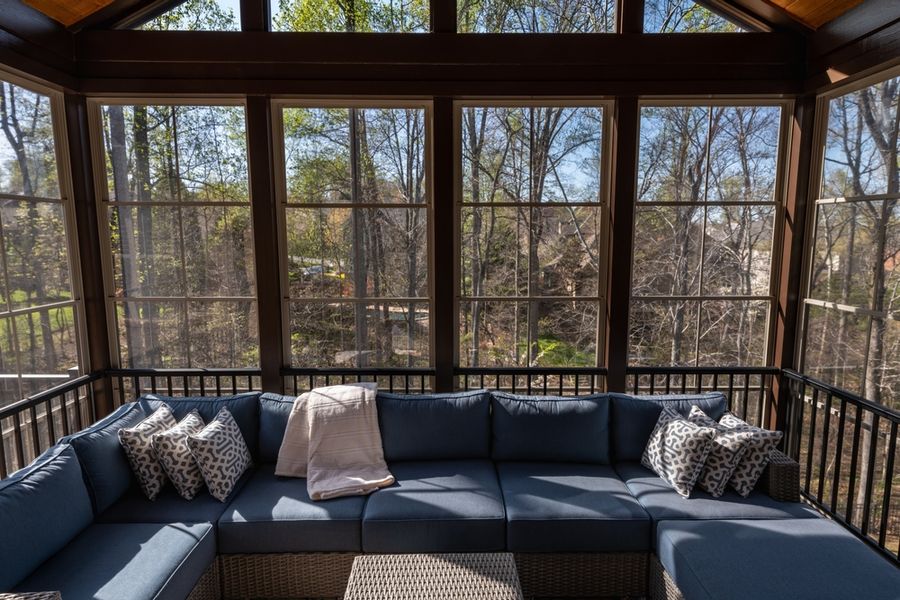
Imagine enjoying your morning coffee surrounded by greenery, watching the leaves change in autumn, or reading a book beneath a softly falling snowfall without stepping outside. A thoughtfully designed four-season sunroom makes grounded experiences in nature possible while providing additional living space throughout the year. From expansive windows and natural materials to temperature control and carefully selected furnishings, the right design choices can transform an ordinary home addition into a beautiful retreat that celebrates every season.
Choose a Location That Maximizes Natural Light and Views
The location of your sunroom will influence everything from its temperature to how often you enjoy using it. An east-facing sunroom is particularly appealing for homeowners who appreciate morning sunlight, while a west-facing addition offers opportunities to enjoy sunsets. South-facing rooms generally receive more direct sunlight, which can be beneficial during winter but may require additional shading during summer. North-facing sunrooms typically offer softer, more consistent daylight.
Consider what you want to see from inside the room. Positioning your sunroom to overlook a landscaped garden, mature trees, or a private courtyard can create a more immersive connection with nature. Think about how the addition connects to your existing floor plan, too. A sunroom adjoining the kitchen might become a favorite breakfast spot, while one connected to the living room could provide a quieter space for relaxation.
Invest in High-Performance Windows and Glass Doors
Unlike a traditional screened porch or three-season room, a four-season sunroom needs to remain comfortable during extreme temperatures. Windows are particularly important because they typically occupy a substantial portion of the room's exterior walls. Double-pane or triple-pane windows with low-emissivity coatings can help manage heat transfer while allowing natural light to enter. Compare insulation and solar heat gain ratings when selecting windows for your regional climate.
For a more dramatic connection with the outdoors, consider combining large picture windows with operable casement windows or sliding glass doors. Picture windows provide uninterrupted views, while operable windows allow fresh air to circulate during pleasant weather. Folding glass doors can also create an expansive opening onto a patio or garden, effectively connecting the two spaces when outdoor conditions are comfortable.
Create a Structure That Supports Year-Round Comfort
A beautiful sunroom loses much of its appeal if it becomes too cold in January or unbearably hot in July. Properly insulating the roof, floor, and exterior walls is essential for maintaining a comfortable environment. Combining insulation with effective air sealing can also help prevent drafts and reduce unwanted heat transfer. If you are converting an existing porch, have a contractor assess whether its foundation and framing can support a fully enclosed addition.
Consider installing a dedicated heating and cooling system that allows you to regulate the sunroom's temperature independently. A ductless mini-split heat pump can be particularly practical for home additions where extending existing ductwork is difficult. Radiant floor heating is another option for homeowners who want to enjoy the comfort of warm flooring during winter. Before construction begins, discuss local building permits, insulation requirements, and ventilation needs with your contractor.
Incorporate Natural Materials and Earthy Colors
The materials you choose can help establish a visual connection between your sunroom and the surrounding landscape. Natural stone, wood, bamboo, wicker, and rattan introduce textures commonly associated with outdoor environments. Porcelain tiles that resemble natural stone can also provide an attractive, easy-to-maintain flooring option, particularly if the sunroom opens directly onto a garden or patio.
Build your color palette around the scenery outside your windows. Soft greens, warm browns, sandy neutrals, and muted blues can complement natural surroundings without distracting from them. Consider incorporating a wood-paneled ceiling, exposed timber beams, or a stone accent wall to introduce architectural character. Repeating similar materials in your outdoor living spaces can make the transition between your home and garden feel more seamless.
Introduce Greenery With an Indoor Garden
Living plants can make a sunroom feel like a natural extension of the garden, even when outdoor temperatures drop below freezing. Select varieties according to the amount of sunlight your room receives. Citrus trees, hibiscus, and certain culinary herbs thrive in bright indoor growing conditions, while parlor palms and cast iron plants are better suited to areas with limited direct sunlight.
Instead of placing every plant along the windowsill, create a layered arrangement using elevated planters, hanging baskets, and larger floor-standing pots. A mature indoor tree can serve as a focal point, while smaller plants introduce greenery around seating areas. Consider installing a dedicated potting station with concealed storage for gardening supplies. Supplemental grow lights may also help maintain your indoor garden during the darker winter months.
Select Furnishings That Encourage Everyday Enjoyment
Your sunroom should offer the comfort of an indoor living area while retaining the relaxed atmosphere of an outdoor retreat. Choose furniture according to how you intend to use the space. A deep sofa and upholstered armchairs can create an inviting conversation area, while a round dining table might make the room ideal for leisurely breakfasts and intimate dinner parties.
Look for fade-resistant upholstery, particularly for furniture positioned near windows that receive direct sunlight. Washable cushion covers and durable area rugs can make maintenance easier, especially if family members regularly enter from the garden. Avoid overcrowding the room with oversized furniture that obstructs outdoor views. Lower-profile seating and open-legged tables can help preserve the spacious, airy feeling that makes a sunroom distinctive.
Balance Sunlight With Shade and Privacy
Although abundant sunlight is one of a sunroom's most desirable features, excessive glare and heat can make the space uncomfortable. Exterior awnings, roof overhangs, and other architectural shading features can help control unwanted sunlight. Retractable awnings offer additional flexibility by allowing homeowners to adjust the amount of shade according to weather conditions.
Inside the room, consider adjustable solar shades or cellular blinds that provide greater control over light and privacy. Motorized window coverings can be particularly convenient in rooms with tall or difficult-to-reach windows. For evening enjoyment, incorporate several sources of artificial lighting rather than relying on a single overhead fixture. Decorative floor lamps, dimmable wall sconces, and concealed accent lighting can maintain a warm, inviting atmosphere after sunset.
Extend the Experience Into Your Outdoor Space
The landscape immediately surrounding your sunroom deserves as much attention as its interior. Planting ornamental grasses, flowering perennials, and evergreen shrubs near the windows can provide visual interest throughout the year. Choose plants with different flowering periods, foliage colors, and heights to create a garden that changes naturally with the seasons.
Consider connecting the sunroom to a stone patio, wooden deck, or landscaped pathway. Position outdoor seating, decorative planters, or a small water feature where they remain visible from inside. Subtle landscape lighting can illuminate nearby trees and garden features after dark, allowing you to appreciate the surrounding scenery even during long winter evenings.
Create Your Own Retreat for Every Season
A well-designed four-season sunroom offers much more than additional square footage. It creates a dedicated place to appreciate nature, unwind, entertain guests, and enjoy everyday moments in a comfortable setting.
By combining thoughtful architectural choices with reliable temperature control, natural furnishings, and attractive landscaping, you can establish a lasting connection between your home and the outdoors. Whether you are watching spring flowers emerge or enjoying the quiet beauty of a winter morning, your sunroom can become one of the most treasured spaces in your dream home.