

Your backyard has the potential to become a personal sanctuary where you can escape everyday distractions, enjoy nature, and spend quality time with loved ones. Creating a peaceful outdoor retreat doesn't necessarily require a sprawling garden or an extensive renovation. By combining thoughtful landscaping, comfortable seating, natural materials, and soothing sensory elements, you can develop an inviting environment that encourages relaxation and makes spending time outdoors one of the most enjoyable parts of your daily routine.
Establish a Sense of Privacy Through Landscaping
Privacy is an important consideration when designing a backyard retreat. Feeling exposed to neighboring properties or passing traffic can make it difficult to fully unwind. Rather than surrounding your entire yard with tall fencing, consider using layered landscaping to create a more natural enclosure. Combining trees, ornamental grasses, flowering shrubs, and evergreen plants can provide coverage while introducing interesting colors and textures.
Depending on your regional climate and growing conditions, evergreen privacy plants such as arborvitae, inkberry holly, and juniper can provide screening throughout the year. Alternatively, wooden trellises with climbing plants can create secluded seating areas without making smaller yards feel enclosed. Consider where neighboring windows overlook your property and concentrate your screening efforts around the areas where you intend to spend the most time.
Design Separate Areas for Relaxation
Creating distinct spaces within your backyard can make the environment feel more purposeful. Instead of treating the entire yard as one large entertaining area, establish smaller zones dedicated to different activities. A secluded reading corner beneath a tree, a comfortable outdoor dining area, and a quiet meditation space could each serve a different purpose without requiring an especially large property.
Use curved garden pathways, decorative planters, low hedges, or changes in paving materials to establish subtle boundaries between these areas. Natural stone stepping paths can encourage leisurely movement through the garden, while a strategically positioned bench provides somewhere to stop and appreciate the surroundings. Leave sufficient open space between features so that your backyard retains an uncluttered, spacious atmosphere.
Introduce the Soothing Sound of Water
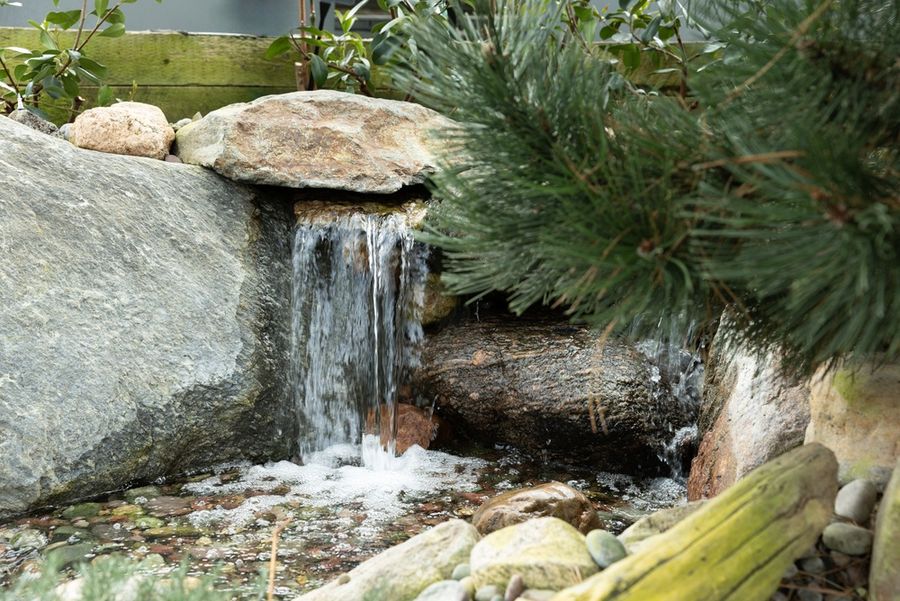
A water feature can become the centerpiece of a peaceful backyard, introducing gentle sounds and a sense of movement. A freestanding stone fountain, bubbling urn, or small cascading waterfall can work beautifully near a patio or seating area. Homeowners with larger properties might consider a landscaped pond surrounded by natural stones and aquatic plants.
Choose a water feature that suits your available space and maintenance preferences. Self-contained fountains with recirculating pumps are generally simpler to install than permanent ponds. Keeping water circulating can also help discourage mosquito breeding, although regular cleaning remains important. Position your water feature close enough to your favorite seating area to appreciate its sound without allowing it to overpower conversations or disturb neighboring properties.
Invest in Comfortable Seating and Natural Shade
Your backyard should provide somewhere comfortable to spend extended periods outdoors. Deep-seated patio chairs, cushioned loungers, hanging egg chairs, and hammocks can all contribute to a relaxing atmosphere. Choose weather-resistant furniture made from materials such as teak, aluminum, or synthetic wicker, and incorporate outdoor cushions in soft, neutral colors that complement the surrounding landscape.
Shade is equally important, particularly in regions that experience intense summer heat. A wooden pergola with a retractable canopy offers flexibility, while a covered gazebo provides more permanent shelter. Cantilever umbrellas are particularly useful for smaller patios because their supporting poles can sit away from the main seating area. Observe how sunlight moves across your property throughout the day before deciding where to install these features.
Create a Garden That Engages the Senses
A peaceful garden should offer more than visual appeal. Incorporating fragrant flowers, aromatic herbs, and plants with distinctive textures can make spending time outside a more immersive experience. Lavender, gardenias, and fragrant rose varieties can introduce pleasant scents, while rosemary and thyme provide aromatic foliage that you can also use in the kitchen. Choose varieties suited to your local climate.
Ornamental grasses can introduce gentle movement and rustling sounds when the wind blows, while flowering native plants can attract butterflies and other pollinators. For a visually calming environment, consider limiting your garden's color palette to complementary shades of green, white, purple, and blue. Combine plants with different blooming periods to maintain seasonal interest without having to redesign your flower beds every few months.
Minimize Disruptive Background Noise
Traffic, nearby construction, and neighborhood activity can interfere with the tranquility of an outdoor retreat. Start by identifying the direction from which unwanted sounds originate. Relocating your primary seating area behind an existing garage, garden wall, or other substantial structure may offer some protection from external noise without requiring extensive construction.
Although vegetation can conceal distracting surroundings, ordinary residential hedges have limited sound-blocking capabilities. If persistent traffic noise is a concern, consult a landscaping or fencing contractor about purpose-built acoustic barriers or landscaped earth berms. Check local height restrictions before installing permanent structures. You can also make intermittent background sounds less noticeable by introducing gentle water sounds or positioning your seating near trees that rustle naturally in the breeze.
Use Soft Lighting to Create an Evening Retreat
Thoughtfully placed outdoor lighting can transform your backyard into an inviting space after sunset. Instead of relying on bright security lights to illuminate the entire property, incorporate smaller fixtures around pathways, seating areas, and garden features. Low-voltage landscape lights, rechargeable outdoor lanterns, and decorative wall sconces can introduce warmth without overwhelming the surrounding environment.
Choose warm-colored, downward-facing lighting to limit glare and unnecessary light pollution. Installing dimmers or timers can give you greater control over the atmosphere throughout the evening. Consider placing discreet lights beneath benches or along deck steps to improve visibility while preserving the garden's natural appearance. Leaving some areas unlit can also help maintain a pleasant environment for nighttime wildlife and stargazing.
Keep Your Backyard Beautiful Without Constant Maintenance
A backyard intended for relaxation shouldn't become an endless source of household chores. When planning your landscaping, prioritize plants adapted to your region's rainfall, soil conditions, and seasonal temperatures. Use perennial flower beds, evergreen ground covers suited to your climate, and mulched planting areas to reduce the amount of routine work required.
Consider installing a drip irrigation system to simplify watering and investing in weatherproof storage for cushions, gardening equipment, and outdoor accessories. Reducing unnecessary lawn areas can also leave more room for decorative planting beds and comfortable gathering spaces. The easier your backyard is to maintain, the more opportunities you'll have to enjoy it rather than spending your weekends working on it.
Bring the Feeling of a Vacation Home
The most rewarding backyard transformations reflect the homeowner's personal idea of relaxation. Whether you envision a secluded garden surrounded by fragrant flowers, a luxurious poolside lounge, or a shaded patio with the gentle sound of flowing water, every design choice should contribute to the experience you want to create. By prioritizing privacy, comfort, natural beauty, and manageable upkeep, you can establish a welcoming outdoor sanctuary that provides a refreshing escape without ever having to leave home.