

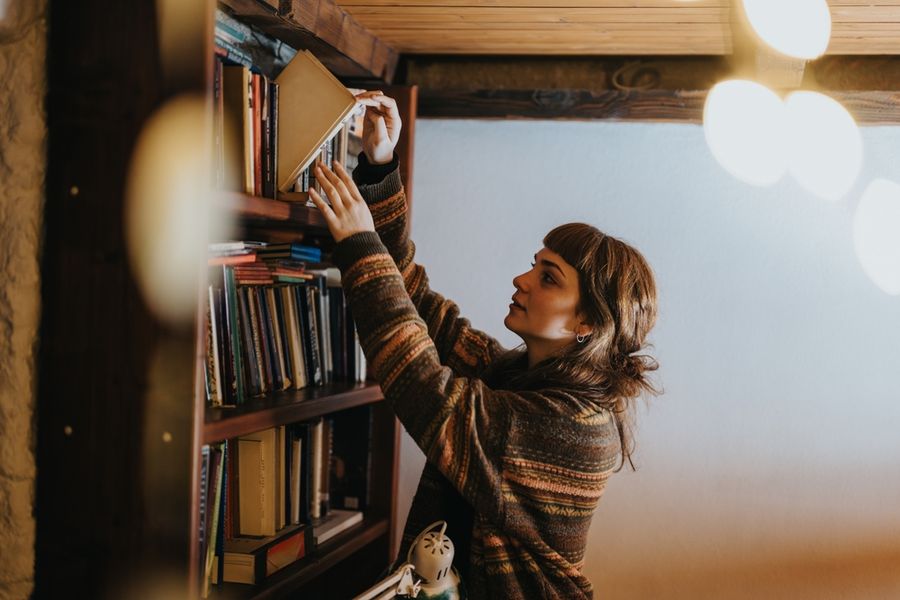
A home library can become one of the most distinctive rooms in a house, offering a quiet escape from everyday distractions while showcasing a carefully curated book collection. Professional library design goes beyond installing bookshelves and adding comfortable furniture. It involves creating an environment where architectural details, lighting, organization, and reading comfort work together naturally. Whether you prefer the elegance of a traditional English library or the simplicity of contemporary design, several essential features can help bring your vision to life.
A Layout That Reflects Your Reading Habits
Before selecting furniture or cabinetry, consider how you intend to use your home library. Someone who enjoys reading novels may prioritize comfortable seating and a peaceful atmosphere, while a history enthusiast or academic researcher might benefit from a substantial writing desk and accessible reference materials. A family library could incorporate several reading areas where adults and children can enjoy books independently.
A professional interior designer can develop a floor plan that accommodates these activities without compromising the room's appearance. Position seating away from busy household passageways and leave sufficient space to browse bookshelves comfortably. If the room has attractive garden views, consider positioning your primary reading chair near a window while keeping valuable books away from direct sunlight.
Custom Cabinetry and Floor-to-Ceiling Bookshelves
Custom-built bookshelves provide opportunities to maximize storage while introducing architectural character. Unlike standard freestanding furniture, bespoke cabinetry can accommodate sloped ceilings, awkward corners, alcoves, and unusual room dimensions. Floor-to-ceiling shelving creates a particularly impressive appearance, while decorative moldings and recessed panels can help integrate the cabinetry with the home's existing architectural style.
Incorporating adjustable shelving allows you to accommodate different book sizes as your collection grows. Ask your cabinetmaker to calculate appropriate shelf spans and load capacities, particularly if you collect heavy reference books or oversized illustrated volumes. Lower cabinets with solid doors can conceal stationery, electronic equipment, and other accessories. Consider leaving additional shelving capacity for future purchases rather than designing exclusively around your current collection.
Luxurious Seating Designed for Extended Reading Sessions
Comfortable seating should be a central consideration when designing a home library. A high-backed armchair with supportive upholstery and an upholstered footrest provides a classic arrangement for individual reading. A chaise lounge offers another option for readers who prefer to stretch out, while a generously proportioned sofa can accommodate several family members or guests.
Consider commissioning a custom window seat with deep cushions, built-in drawers, and surrounding bookshelves. This creates an intimate reading nook while making effective use of space that might otherwise remain empty. Select fabrics that complement the room's character, such as velvet for a traditional library or textured linen for a more contemporary setting. Position side tables beside seating areas to accommodate beverages, reading glasses, and notebooks without requiring readers to leave their chairs.
Layered Lighting With Dedicated Reading Fixtures
A professionally designed library should offer different lighting options for daytime reading, evening relaxation, and detailed desk work. Ambient lighting provides general illumination, while task lighting directs brightness toward specific activities. Accent lighting can highlight decorative shelving, artwork, or architectural details without making the entire room excessively bright.
Consider adjustable wall-mounted lamps beside armchairs, directional desk lamps, and discreet LED fixtures integrated into cabinetry. A decorative chandelier can provide a striking centerpiece in a library with high ceilings. Ask your designer to incorporate separate lighting circuits and dimmer switches, allowing you to adjust individual fixtures according to your needs. Electrical outlets should also be positioned conveniently near seating and work areas to prevent visible cords from detracting from the room's appearance.
Environmental Controls That Preserve Your Books
A valuable book collection deserves protection from environmental damage. Excessive heat, moisture, and fluctuating humidity can contribute to the deterioration of paper and bindings. Most books benefit from temperatures no higher than 70°F and humidity levels between 30% and 55%. Avoid positioning shelving directly beside radiators or heating vents, and consider installing a digital temperature and humidity monitor.
Window treatments are another important consideration because prolonged exposure to bright light can discolor books and damage sensitive materials. Adjustable blinds, lined curtains, and enclosed cabinets can provide additional protection. Rare editions and fragile manuscripts may benefit from specially designed conservation boxes. When planning a library for a particularly valuable collection, discuss environmental controls with your designer before selecting the room's location and installing cabinetry.
Architectural Features That Add Elegance and Personality
Architectural details can give a home library a distinctive identity. Dark walnut paneling, coffered ceilings, brass hardware, and decorative cornices can evoke the atmosphere of a historic private library. Alternatively, pale oak cabinetry, concealed hardware, and understated finishes can create a sophisticated contemporary space. Painting the walls, shelving, and ceiling in complementary shades can also establish an immersive environment.
A rolling library ladder provides an attractive architectural feature while improving access to elevated shelves. Discuss ladder placement, structural support, and safe operation with your cabinetmaker during the design process. A decorative fireplace, framed artwork, or a substantial antique desk can provide another focal point. Select features that complement one another rather than competing for attention.
Acoustic Treatments That Minimize Household Distractions
A library should offer a peaceful environment where you can concentrate without being interrupted by conversations, televisions, or other household activities. Upholstered furniture, substantial area rugs, and heavy curtains can help reduce echoes and soften the room's acoustics. Decorative fabric-covered acoustic panels offer another possibility, particularly in larger libraries with extensive hardwood flooring.
If reducing incoming noise is a priority, consider installing a solid-core door with suitable perimeter seals. During a major renovation, discuss sound-insulating wall assemblies with your contractor. Households with young children should also ensure that tall bookcases are properly secured to prevent tipping. Addressing these practical considerations during construction can help create a library that feels both peaceful and secure.
Personalized Storage and Collection Displays
A professionally designed library should celebrate the interests and experiences of its owner. Organize books according to subjects, authors, or literary genres, reserving easily accessible shelves for frequently used volumes. Incorporate deeper compartments for oversized publications and dedicated drawers for maps, correspondence, or historical documents.
Consider displaying collectible editions, family photographs, sculptures, and meaningful objects acquired during your travels. Glass-fronted cabinets can distinguish treasured possessions from everyday reading materials while helping protect them from dust. A dedicated display shelf for recently purchased books can introduce variety as your collection evolves. Rather than treating the library as a decorative showroom, allow its contents to tell a story about your interests and experiences.
Bring Your Dream Home Library to Life
The finest home libraries combine architectural beauty with the practical requirements of everyday reading. Custom cabinetry, comfortable furnishings, carefully positioned lighting, and suitable environmental conditions establish a foundation that can accommodate a growing collection for decades.
Working with an experienced interior designer and cabinetmaker can help translate your ideas into a cohesive space. Ultimately, your home library should be a deeply personal retreat where curiosity, imagination, and relaxation become natural parts of everyday life.