

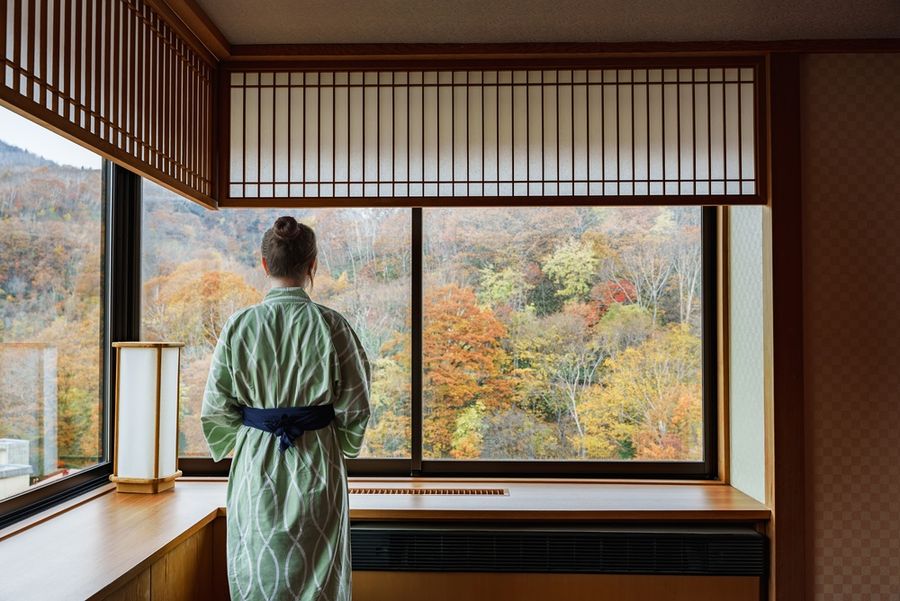
Imagine waking up to the gentle sound of flowing water, slipping into a lightweight Japanese robe, and enjoying a beautifully prepared breakfast overlooking a peaceful garden. Staying at a traditional Japanese ryokan offers an intimate glimpse into a culture that celebrates simplicity, thoughtful hospitality, and the beauty of slowing down. From soothing natural hot springs to exquisitely presented seasonal meals, every detail encourages a deeper appreciation for the present moment. It's an experience that feels worlds away from an ordinary hotel stay.
What Is a Traditional Japanese Ryokan?
A ryokan is a traditional Japanese inn that offers accommodations rooted in centuries of Japanese culture and hospitality. Unlike conventional hotels, ryokan place considerable emphasis on the overall guest experience, incorporating traditional architecture, regional cuisine, bathing customs, and personalized service. Many embrace the Japanese philosophy of omotenashi, a thoughtful approach to hospitality that anticipates guests' needs and makes them feel genuinely cared for. You'll find everything from modest, family-operated establishments to luxurious countryside retreats with meticulously landscaped gardens and private hot spring baths.
Part of the appeal is the opportunity to experience a different way of living. Instead of elaborate entertainment facilities or busy hotel lobbies, many ryokan feature understated interiors, natural materials, and tranquil surroundings. The luxury lies in the smaller details: freshly prepared tea upon arrival, seasonal floral arrangements, beautifully crafted tableware, and the attentive service that accompanies your stay. It's an especially rewarding experience for travelers who appreciate cultural immersion as much as comfort.
Settle Into the Beauty of a Traditional Japanese Room
Stepping inside a traditional ryokan guest room can feel like entering another world. Rooms typically feature woven tatami flooring, sliding paper screens known as shoji, low wooden tables, and floor cushions. Rather than a conventional bed, many accommodations provide Japanese futon bedding laid directly on the tatami mats. Staff may prepare your bedding in the evening, transforming the daytime sitting area into a peaceful sleeping space. Some higher-end properties also offer Japanese-Western rooms that combine traditional architectural features with raised beds and contemporary furnishings.
Upon arrival, you'll often find a yukata, a lightweight cotton robe intended for relaxing around the property. Depending on the inn's customs, you may even wear it to dinner or while strolling through the surrounding hot spring town. Familiarizing yourself with traditional Japanese accommodation etiquette will help you feel more comfortable. Remove your outdoor shoes at the designated entrance, avoid wearing slippers on tatami flooring, and embrace the refreshing simplicity of your surroundings.
Experience the Relaxing Ritual of Onsen Bathing
For many travelers, soaking in a traditional Japanese hot spring is the most memorable part of a ryokan stay. Known as onsen, naturally heated mineral-water baths offer a wonderful opportunity to unwind. Some ryokan feature indoor baths made from fragrant cypress wood, while others offer outdoor baths, called rotenburo, overlooking mountains, forests, or beautifully maintained gardens. If you're willing to splurge, consider reserving a room with its own private open-air onsen, where you can enjoy a peaceful soak beneath the stars or watch the sunrise from the comfort of your accommodation.
Understanding Japanese onsen bathing etiquette is essential before your first visit. Communal baths are generally separated by gender, and guests typically bathe without swimsuits. You'll need to wash and rinse thoroughly before entering the water, keep your towel out of the bath, and maintain a quiet atmosphere. Tattoo policies vary between establishments, so check the property's restrictions beforehand. Reserving a private bath can be an excellent alternative if you're uncomfortable with communal bathing or prefer a more intimate experience.
Indulge in an Exquisite Kaiseki Dining Experience
Dining at a traditional ryokan is an experience worth savoring. Many establishments serve kaiseki ryori, an elaborate multicourse Japanese meal that celebrates seasonal ingredients, culinary craftsmanship, and artistic presentation. Depending on the region and time of year, your dinner might include delicately sliced sashimi, grilled fish, locally sourced vegetables, handmade tofu, simmered dishes, and beautifully arranged desserts. Even the choice of ceramics and serving vessels reflects the season, making the meal as visually captivating as it is delicious. Courses arrive gradually, encouraging you to appreciate the individual flavors and textures.
Dinner may be served in your guest room, a private dining space, or an elegant communal restaurant. The following morning, you'll often enjoy a traditional Japanese breakfast featuring grilled fish, steamed rice, miso soup, pickled vegetables, and other regional specialties. It's worth booking a package that includes both meals for the fullest experience. If you have food allergies, dietary restrictions, or vegetarian preferences, contact the ryokan before making your reservation, as traditional kitchens may have limited flexibility when modifying carefully planned menus.
Choose a Destination That Matches Your Dream Ryokan Experience
Japan offers traditional inns in bustling cultural districts, secluded mountain villages, and picturesque hot spring towns. Hakone is particularly appealing if you're traveling from Tokyo and want to combine natural scenery with luxurious accommodations. One standout property is Gora Kadan, an elegant ryokan situated on the grounds of a former Imperial family summer villa. Its combination of traditional design, refined dining, hot spring facilities, and serene surroundings makes it an exceptional choice for a special occasion. Kyoto, meanwhile, is ideal for travelers who want to pair traditional accommodations with temple visits, historic streets, and cultural experiences.
For a more immersive hot spring getaway, consider Kinosaki Onsen in Hyogo Prefecture. The charming town is known for its willow-lined waterways, historic bathhouses, and guests strolling through the streets in traditional robes. The luxurious Nishimuraya Honkan offers beautifully designed Japanese rooms, tranquil garden views, and exceptional regional cuisine. Consider what you'd most like to experience before choosing your destination, whether that's bathing surrounded by snowy mountains, admiring cherry blossoms from your room, or spending leisurely afternoons wandering through a historic village.
Know What to Look for When Booking Your Ryokan Stay
Booking a ryokan requires slightly more consideration than reserving a standard hotel room. For starters, ryokan accommodation rates are commonly calculated per person rather than per room, particularly when meals are included. A typical stay may cost between ¥15,000 and ¥30,000 per person per night (approximately $95 to $190 USD), while luxury properties can exceed ¥50,000 per person (approximately $315 USD. Prices vary considerably depending on the season, room category, dining package, and bathing facilities. Before comparing rates, check whether the reservation includes breakfast and dinner, a private bathroom, access to hot springs, and any additional amenities you're hoping to enjoy.
Booking directly through the property's website is a good starting point, although international accommodation platforms also offer extensive ryokan listings. Reserve well in advance if you're traveling during cherry blossom season, autumn foliage season, or Japanese public holidays. Be sure to review cancellation policies, bedding arrangements, accessibility features, and transportation options before committing. It's also important to confirm check-in and dinner times, as evening meals are often served according to a predetermined schedule. Ideally, plan to arrive shortly after check-in opens so you have ample time to settle into your room, enjoy the baths, and appreciate the property before dinner.
Embrace a Slower, More Beautiful Way to Travel
A traditional Japanese ryokan offers something that even the most luxurious conventional hotels can't necessarily replicate: an invitation to experience another culture through its everyday rituals. From the warmth of a freshly prepared cup of tea to the quiet pleasure of an outdoor hot spring, the most memorable moments often come from the simplest experiences. Rather than filling your itinerary with sightseeing, give yourself permission to spend an entire afternoon enjoying the inn and its surroundings.
Whether you're celebrating a honeymoon, planning a special anniversary trip, or simply treating yourself to an unforgettable Japanese vacation, dedicating one or two nights to a ryokan stay is well worth considering. Choose an establishment that reflects your personal travel preferences, embrace the traditional customs, and leave plenty of room for spontaneous moments of relaxation. You may find that the experience changes not only how you remember Japan but also how you approach your future travels.