

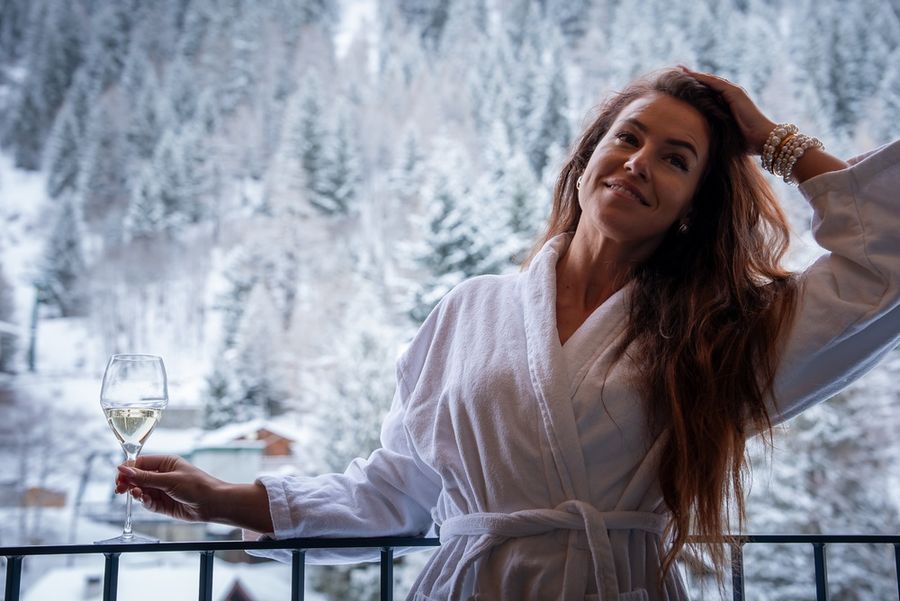
Europe's historic spa towns offer an appealing combination of natural thermal springs, beautiful architecture, luxurious accommodations, and centuries-old bathing traditions. Unlike conventional wellness resorts, many destinations developed around mineral-rich springs that have attracted visitors for generations. Travelers can enjoy everything from open-air thermal pools overlooking Alpine mountains to traditional bathing rituals inside elaborately decorated historic buildings. Whether you're planning a romantic getaway or a vacation dedicated to relaxation, several European spa towns offer exceptional wellness experiences.
Baden-Baden, Germany: Experience Traditional European Bathing Rituals
Located near the Black Forest in southwestern Germany, Baden-Baden has long attracted visitors seeking relaxation in elegant surroundings. The town's grand hotels, landscaped gardens, and sophisticated restaurants complement its thermal bathing facilities. It is particularly appealing to travelers who want to experience both historic bathing customs and contemporary wellness treatments during the same vacation.
The town's two principal facilities, Caracalla Spa and Friedrichsbad, offer contrasting experiences. Caracalla features indoor and outdoor thermal pools, saunas, steam rooms, and massage treatments. Friedrichsbad provides a more traditional bathing ritual involving 17 stages inspired by Roman and Irish bathing customs. American visitors should be aware that Friedrichsbad generally follows a nude bathing tradition, although designated swimwear days are available. Beyond the spas, spend time exploring the Lichtentaler Allee park or arranging an excursion into the surrounding Black Forest.
Bath, England: Combine Thermal Bathing With Historic Architecture
Bath is an ideal destination for travelers who want to combine a wellness retreat with British history and culture. Its elegant Georgian buildings, honey-colored stone architecture, and Roman heritage create a distinctive setting for a spa vacation. Visitors can explore the remarkably preserved Roman Baths to learn how natural hot springs influenced the city's development before experiencing the waters at a modern facility.
The principal attraction for wellness travelers is Thermae Bath Spa, which features an open-air rooftop thermal pool overlooking the historic city. Guests can also enjoy the Minerva Bath and a dedicated wellness area. Consider reserving an evening session to appreciate the city skyline as daylight fades. Staying in central Bath allows you to combine spa appointments with visits to independent boutiques, traditional afternoon tea establishments, Bath Abbey, and the Royal Crescent.
Karlovy Vary, Czech Republic: Discover Grand Spa Hotels and Mineral Springs
Karlovy Vary is among Central Europe's most distinctive wellness destinations. Colorful buildings line the Teplá River, while elaborate colonnades shelter mineral springs throughout the town. Unlike destinations that focus exclusively on recreational bathing, Karlovy Vary also has a longstanding tradition of supervised spa treatments involving mineral water, therapeutic baths, and other wellness procedures.
For a more leisurely experience, visit Saunia Thermal Resort, where an outdoor mineral spring pool maintained at approximately 100°F allows guests to enjoy warm water throughout the year. The complex also features a larger swimming pool and several different sauna experiences. For accommodations, consider one of the town's grand historic spa hotels, particularly if you want to arrange multiple treatments during your stay. Between appointments, explore the surrounding forest trails, sample traditional Czech spa wafers, or visit the Diana Observation Tower for panoramic views.
Bad Gastein, Austria: Relax Among the Alpine Mountains
For travelers who enjoy mountain scenery and outdoor recreation, Bad Gastein offers an exceptional alternative to a conventional spa vacation. Located in Austria's Gastein Valley, this historic resort town combines Belle Époque architecture, dramatic mountain landscapes, and thermal bathing facilities. Its surroundings make it equally appealing for summer hiking vacations and winter skiing trips.
The Felsentherme thermal spa is built into the mountainside at an elevation of approximately 3,600 feet. Its outdoor pool allows visitors to admire the surrounding Alpine peaks while relaxing in warm water. The facility also provides indoor bathing and sauna experiences. Consider booking a mountainside hotel with additional wellness amenities, allowing you to alternate between outdoor activities and leisurely afternoons. During winter, soaking in a heated outdoor pool surrounded by snowy landscapes can be a particularly memorable experience.
Montecatini Terme, Italy: Enjoy Wellness in the Tuscan Countryside
Montecatini Terme offers a sophisticated introduction to Italy's historic spa culture. Located between Florence and Lucca, the town is characterized by elegant gardens, decorative thermal establishments, and attractive pedestrian areas. Its relatively compact size makes it well suited to travelers who prefer a slower-paced vacation centered on wellness, architecture, and regional cuisine.
The historic Terme Tettuccio is worth visiting for its elaborate decorative features and mineral water traditions. For more contemporary facilities, Terme Redi offers thermal pools, bathing treatments, massages, and rehabilitation services. Check which treatments are available for recreational visitors, as some programs are medically oriented. Beyond the spas, take the historic funicular railway to Montecatini Alto, a hilltop village with traditional restaurants and countryside views. The town's location also makes it a convenient base for exploring Tuscan vineyards and neighboring historic cities.
Spa, Belgium: Discover the Town That Inspired an International Wellness Tradition
Surrounded by the wooded hills of the Belgian Ardennes, Spa is an appealing destination for travelers seeking a peaceful countryside escape. The town's longstanding association with mineral springs helped popularize the word "spa" itself. Today, its historic architecture, forest pathways, and contemporary wellness facilities provide opportunities to experience both traditional and modern approaches to relaxation.
The hilltop Thermes de Spa complex features approximately 8,600 square feet of indoor and outdoor bathing areas, alongside saunas, steam rooms, and dedicated relaxation spaces. Visitors can also arrange individual wellness treatments to complement their bathing experience. Consider staying in a countryside hotel surrounded by woodland or choosing accommodations near the historic town center. Gentle forest walks, leisurely restaurant visits, and excursions into the surrounding Ardennes can provide an enjoyable balance between spa appointments and sightseeing.
Planning Your European Spa Vacation
Before booking accommodations, determine whether your preferred thermal facilities require separate admission, advance reservations, or additional fees for individual treatments. Some historic spas specialize in medically supervised therapies, while others cater primarily to recreational visitors. Understanding these differences can help you select an experience that matches your expectations.
European bathing customs also vary considerably. Check swimwear requirements, minimum age restrictions, and whether towels and robes are provided. Stay hydrated, take regular breaks from heated pools, and consult a healthcare professional beforehand if you have a medical condition that could make prolonged heat exposure unsuitable.
Find Your Perfect European Wellness Escape
Europe's spa towns offer distinctive opportunities to combine relaxation with cultural discovery. From Baden-Baden's historic bathing rituals to Bad Gastein's Alpine scenery and Montecatini Terme's Tuscan charm, each destination provides its own interpretation of a wellness vacation.
Rather than filling your itinerary with appointments, allow time to appreciate the surrounding landscapes, regional cuisine, and local traditions. A thoughtfully planned spa getaway can become a refreshing departure from the demands of everyday life.